What is ZDDP In Motor Oil?
ZDDP acts as a bodyguard of engine parts that protects them from wear. It’s a chemical compound we find in different additives, especially antiwear agents. But since it does more than guard the system, we call it multifunctional.
So, what does ZDDP do? ZDDP ensures reduction of friction, corrosion, and oxidation that ultimately help the engine stay fit for a longer period.
The functions I mentioned here are only the popular ones. Such content is rich in a variety of hidden benefits.
.
What Is ZDDP In Engine Oil?
ZDDP, short for Zinc dialkyl dithiophosphates, is a zinc-based compound present in many lubricant formulations. Whenever we talk about Zinc in engine oil, it actually refers to ZDDP instead of pure atom.
It’s typically used in antiwear agents and extreme pressure additives. However, some antioxidants and corrosion or rust inhibitors include the content as well. Besides acting as an agent, many lubricants have ZDDP in them.
The compound is made up of elements including zinc, phosphorus, sulfur, carbon, and hydrogen atoms. At first, phosphorous pentasulfide and alcohols are mixed to cause a chemical reaction. Here, alcohols are converted into dialkyl dithiophosphoric acid. Since the reaction creates acidic compound, zinc oxide powder is added that neutralizes it and forms ZDDP. It’s the linkage of key elements zinc, sulfur, and phosphorus that forms tribofilm and keeps engine parts from causing friction.
.
Use Of Zinc Oil In Engine
ZDDP oil is most suitable for older engines, especially the ones designed before mid-1980. This mostly includes-
- Chevy 350 and 454
- Ford Mustangs or Thunderbirds with Windsor and Cleveland V8s
- Chrysler 383, 440, and Hemi
It’s because such engines use flat-tappet camshafts and lifters. The lifters slide along the surface of cam lobes which leads them to rub against one another. Consequently, the components wear out more quickly. For this, the parts make use of more antiwear agents to prevent friction and wear. That’s why we need Zinc oil additive for older engines.
But it’s different for modern engines. They use roller cams and components that are less prone to friction or wear. And therefore, they have lower requirements for ZDDP. Although the engines don’t need High zinc engine oil, a moderate amount can work wonders.
.
How Much Zinc Additive To Add To Oil?
The amount of ZDDP to add to lubricant varies based on product formulation/concentration, engine type, condition of engine, capacity of lubricant system, and other factors.
The concentration of ZDDP shouldn’t exceed 1,200 parts per million (ppm) of phosphorous for each quart of oil. If it goes beyond the threshold and crosses 1,800 ppm, it may become less effective. And this can lead to an increase in friction and rust issues.
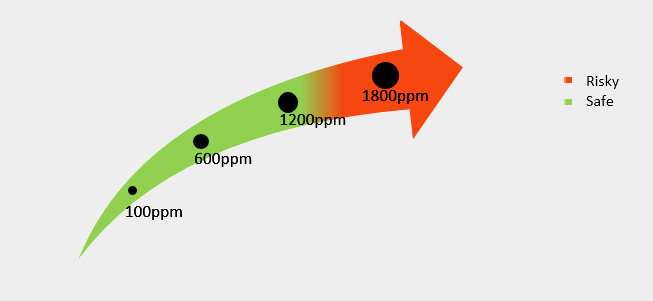
Moreover studies found that excess phosphorus in Zinc dialkyl dithiophosphates can build up and affect catalytic converters. This reduces the efficiency of both the ZDDP additive and the component. For this, the recommended dose has dropped below 800 ppm for a quart of oil.
Note that the dosage.....
.
Benefits Of ZDDP In Motor Oil
So, what is the purpose of zinc in motor oil? Zinc additive helps prevent metal-metal friction in engine by creating tribofilm. It remains stable under heat stress as long as it’s below 428°F or 220°C. Researchers also found that ZDDP provides oxidation protection due to having sulfur in it.
In one study, it has managed to maintain its antiwear property despite decrease in amount and breaking down after 80 hours of heating. But there’s a twist.....
So, let’s look at the strengths of Zinc additive for engine oil as a compound.
1. Decrease friction and wear by making the tribofilm more slippery.
2. Oxidation protection.
3. Extreme pressure abrasion resistance.
4. Reduction of body wear despite the presence of contaminants.
5. Prevention of corrosion and rusting of metal parts.
6. Thermal stability at temperatures below 428°F.
.
Frequently Asked Questions
1. What Is The Best ZDDP Additive?
ZDDPPlus works to deal with high heat and pressure while keeping metal parts in engine from creating friction. So, it has that quality to be the best zinc additive for engine oil.
However, make sure to follow the instruction to the T. Otherwise, the additive may not work efficiently.
.
2. Can You Add Too Much ZDDP?
No, too much zinc in motor oil can cause the lubricant to become acidic and form phosphorous buildup. Not only will it clog the camshafts, bearings, and bushings and reduce their efficiency but also cause damage to the parts.
When phosphorous from ZDDP reacts with water, it forms phosphoric acid. And if the lubricant is exposed to moisture and contaminants, it can lead to high levels of phosphoric acid. This initiates acidity of lubricants causing corrosion and several other damage to engine components.
.
Final Words
Having ZDDP as an additive is significant only if we use it wisely. Going over the top will lead to a similar disaster as going below the level will do. So, it’ll keep showing its efficiency as long as the concentration stays within the range recommended by manufacturers.
In case the compound decreases due to breakdown of lubricant, we can top it up to make up for the loss. When it comes to pouring a fresh batch of lubricant, consider picking one having a fair amount of zinc additive. If the new lubricant lacks ZDDP, use the bottle accordingly after an oil replacement.
However, make sure to consult a tech to know the optimal dosage of ZDDP that will be suitable for your car.
Similar article written by me:
https://mechanicpick.com/what-is-boron-used-for-in-motor-oil/
